How Fast Connectivity Changes the Rules of the e-Sports
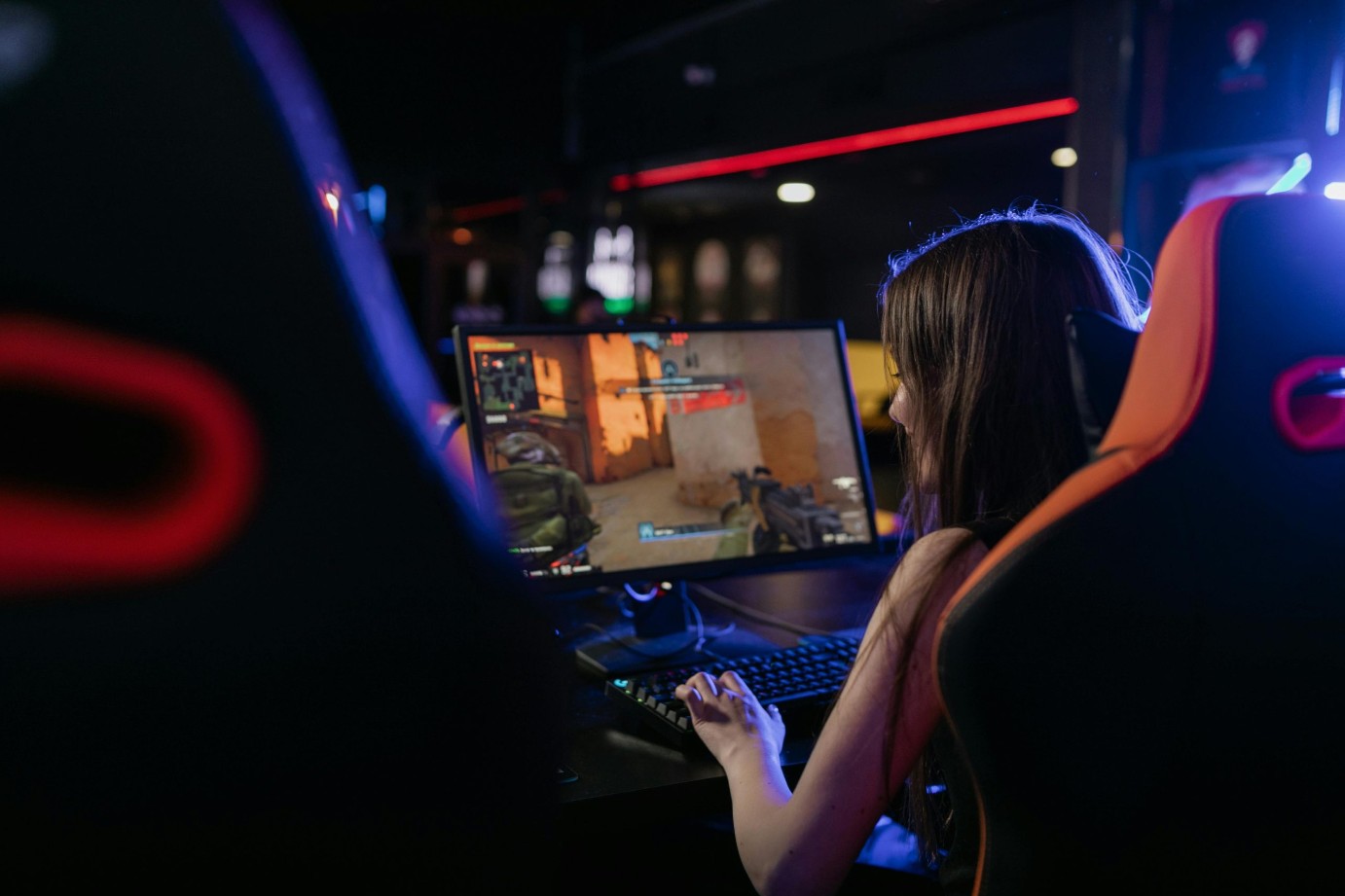
E-sports have exploded in recent years and become a global phenomenon. One of the biggest factors behind players’ and teams’ success isn’t just talent or strategy; it’s the tech around them. Mobile networks, especially fast and stable ones like 5G, are totally changing how e-sports are played, watched, and experienced, both for the players and the fans. It is also changed for the ones who like to bet philippinesbetting.ph on e-sports.
Connection speed is literally the battle now
Picture this: a player needs to react to an opponent’s move or land a precise click the moment the target appears on screen. If the connection lags even by ten or twenty milliseconds, that delay can mean the action registers too late, putting the player at a serious disadvantage. That kind of lag can mess up the whole strategy and cost the match.
Next-gen mobile networks like 4G LTE, and especially 5G, offer super low latency, meaning data is sent and received almost instantly. This cuts down the lag and gives players a real shot at competing on the same level as those on wired, fixed connections.
Besides speed, connection stability matters just as much. Even if the speed is great, a shaky connection that drops now and then can cause interruptions mid-game, which is a disaster in a pro setting. That’s why reliable mobile networks with minimal downtime have become essential for serious players and teams.
In short, timely connection and low latency don’t just improve the technical quality of the game; they directly affect the outcome and level of competition in e-sports. In this industry where every millisecond counts, network tech is one of the players’ most important allies.
Now you can play from any place you want
One of the biggest game-changers brought by modern mobile networks is that e-sports aren’t just stuck at home, in gaming cafes, or pro studios with fixed PCs anymore. Thanks to fast and reliable mobile connections, players can now train, join tournaments, and compete from practically anywhere, whether they’re at home, chilling in a café, on the move, or even out in the countryside.
This freedom to move around really opens up e-sports to more people, letting players from remote or less developed areas stay competitive. You don’t need expensive, stationary gear or ultra-fast home internet to get into serious gaming events anymore. Mobile internet, especially with 5G rolling out, gives you a stable and speedy connection that keeps gameplay smooth and communication real-time.
Besides being able to play from wherever, this mobility also makes training way more flexible. Instead of being tied to a specific place or strict schedule, players can fit their practice sessions into whatever times work best for them. You can also bet on e-sports from any place, take online sports betting bonuses for Filipinos and track results.
Plus, mobile networks add a whole new layer to running tournaments and leagues because now online events with players from all over the world can happen easily, no need for everyone to be in the same room. That’s huge, especially when travelling is tricky or expensive. It means more people get a chance to compete, no matter where they are. Organisers can host bigger events without worrying about logistics or venue costs. And fans can enjoy a wider variety of matches and styles, making the whole scene way more exciting and diverse
Live Streaming
In today’s e-sports world, having a fast and stable mobile connection is an absolute must for enjoying live streams. Fans expect to watch their favourite players and teams in top quality, without annoying buffering, glitches, or drops in resolution. Next-gen mobile networks, especially 5G, make exactly that possible, streaming high-res video, even in 4K, right on your phone or tablet, wherever you are.
But watching matches nowadays isn’t just a passive thing; tech has brought a whole new level of interaction between the audience and the content. Viewers can join live chats, send comments, and react in real time, which really builds a sense of community and connection.
On top of that, streaming platforms are adding cool interactive features like polls, quizzes, surveys, and giveaways during the broadcast, making following the event way more fun and engaging. This two-way communication gives viewers the power to be part of the action, not just watchers on the sidelines.
Impact on the Growth of the E-sports Industry
Reliable and fast mobile networks have a huge impact on the growth and spread of the e-sports industry worldwide. Thanks to them, e-sports scenes aren’t just stuck in a few big cities or countries with solid infrastructure anymore; they’re quickly popping up in regions that used to face technical barriers.
Tournament organisers can now include way more players from all over the globe because mobile internet lets everyone connect and compete in real time, without the need for expensive and complicated travel. This opens the door for more inclusivity and competition, which is key for the industry’s growth and discovering new talent.
Connection is the key
When your connection is solid, players can react fast and with precision, without frustrating delays messing things up. On the other hand, fans get to enjoy smooth, high-quality live streams and even interact in real time, which makes the whole e-sports experience way more exciting and engaging for everyone.
Because mobile connections let people play and watch from almost anywhere, e-sports is growing like crazy worldwide, even in places that didn’t have much access before. This opens the door for fresh talent and new fans, keeping the scene vibrant and constantly evolving with the latest tech.
In a game where milliseconds count, the advances in mobile networks are driving huge changes. They’re reshaping the way we play and watch, helping e-sports become a massive global phenomenon with a real impact on culture and business.