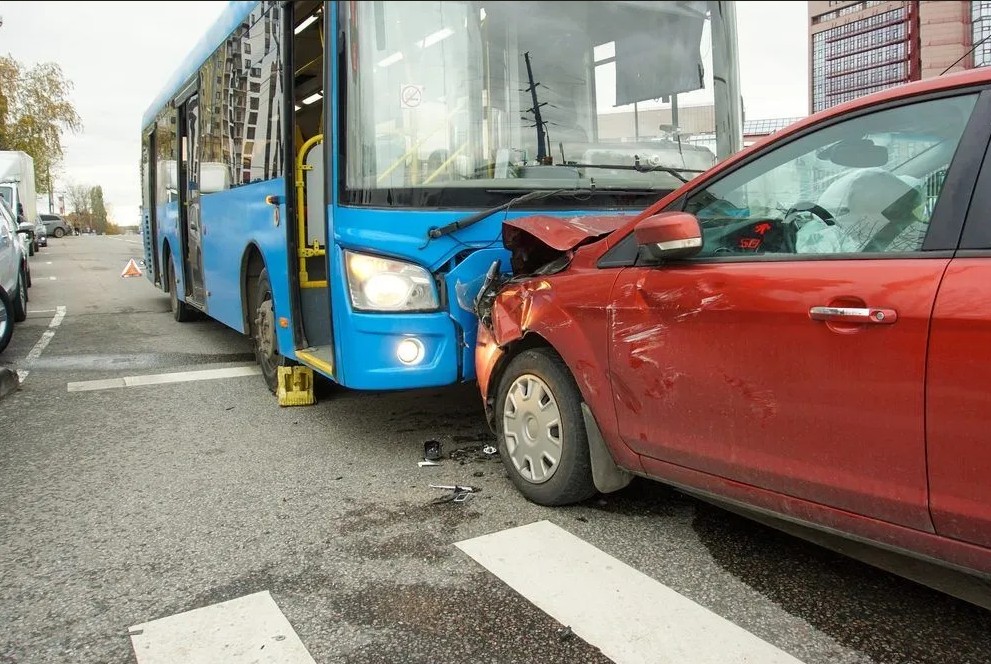
In seconds, a regular day can be turned upside down by a bus disaster. You could be on your way to work, school, or a doctor’s appointment. Then you’re dealing with discomfort, worry and a heap of questions. Who will pay for your injuries? Let us assume the bus driver caused the crash. What if there was another vehicle involved? If you’ve been injured in a bus accident in Washington, DC, understanding how to submit a claim can make all the difference. The procedure can be confusing at first, but taking the appropriate measures early can help protect your rights.
Why Bus Accident Claims Are Different Ball Game
A bus accident is not the same as a regular car collision. There may be several parties. The responsibility might be the bus business, the driver, the maintenance personnel or even another motorist. And public buses add another element of intricacy. Government agency claims, on the other hand, tend to have very rigorous timeframes and special criteria. Many injured persons seek aid from a professional DC Personal Injury Lawyer immediately after the event. Early legal advice can assist preserve evidence and avoid costly blunders.
What To Do After A Bus Accident
Health is the first thing. Seek medical help immediately, even if the injuries seem minor. Then if possible:
- Take pictures of the accident scene.
- Get contact information from witnesses.
- Keep copies of your medical records.
- Keep receipts and costs for it.
- No fault talks with insurance firms.
You know what? Some injuries take days to develop symptoms. An examination by a doctor provides a vital record that ties your injuries to the crash.
Who is to blame?
One of the most crucial things in a bus accident claim is proving fault. Depending on the facts, culpability may lie with:
- The bus driver.
- bus company
- A government body
- A producer of cars
- Another driver in the crash
It’s like a riddle to work out. Every piece of evidence points to who caused the accident and who should pay for the harm.
What Damages Are You Entitled To?
A claim for injury is a demand for compensation for losses arising from the accident. You might be able to claim damages for:
Health Care Costs
Emergency treatment, hospitalization, surgery, therapy and future medical care may be included.
Loss of Income
Severe injuries may keep you from working. Some victims are unable to return to their old jobs for months.
Pain and Suffering
The collision can affect your life long after it happens, with physical pain and emotional grief.
Damage to Property
Personal items damaged in the accident may also be covered. Every case is different. The value of a claim is determined by the extent of injuries, financial losses and facts of the crash.
Evidence Counts Collection
Evidence is the test of assertions. Strong evidence may consist of:
- Surveillance video
- Bus service data;
- Driver training files
- Police reports.
- Medical history
- Statements from witnesses
Here’s the thing, evidence may evaporate rapidly. Security footage could be deleted. Witnesses can forget critical details. The sooner you act, the more information you can store.
Insurance Providers
Insurance adjusters typically contact victims shortly after an accident. Many are professionals and they may sound friendly. Still, their role is to safeguard the interests of the insurance company. Be cautious in giving recorded statements. A fast settlement could look tempting as costs start to pile up. But taking an early offer can save you from having to seek extra compensation later should injuries worsen.
Common Issues in Bus Accident Lawsuits
Bus accident cases might pose particular challenges. Some common problems are:
- Injured passengers
- Various insurance policies
- Disputes over faults
- Government claim procedures
- Serious or long term injuries
These reasons can cause the claims procedure to take longer than intended. Patience is important, but so is preparation.
How Legal Counsel Can Assist
Filing a bus accident claim while recovering from injuries might be daunting. Price Benowitz Accident Injury Lawyers, LLP is a law practice dedicated to helping injured plaintiffs investigate accidents, gather evidence, negotiate with insurers, and seek compensation. Their staff deals with a lot of personal injury cases including bus, vehicle, truck, motorcycle, bicycle, and pedestrian accident situations across the whole of Washington, DC. It lets injured persons concentrate on getting better while their case is being looked after.
Don’t Wait Too Much.
Time is of the essence following a bus collision. Washington, DC has legal time limits on how long you have to file a claim. Missing a deadline can mean losing any right to seek any compensation. The sooner you act, the easier it might be to gather evidence and construct a compelling case. A bus accident can have long term physical, emotional and financial consequences. Knowing your rights and taking action quickly can help you move on with more confidence and peace of mind.
Frequently Asked Question
1. How long do I have to submit a bus accident claim in Washington, D.C.?
The deadline depends on the facts of the accident and the relevant parties. Claims against government bodies may demand more immediate action. Contacting an attorney early helps to guarantee deadlines are met.
2. Can I still file a claim as a passenger on the bus?
Yes. If the accident was caused by someone else ’s fault, injured passengers usually can sue for compensation. The bus driver, corporation or another motorist could be liable.
3. What if the accident was caused by a public bus.
Claims against public transportation systems are generally subject to unique legal procedures. There may be notification requirements and shorter timelines than regular injury claims.
4. How much money may I get for a bus accident?
You can claim damages for medical expenses, lost pay, pain and suffering, rehabilitation expenses and other losses related to the accident. Much will depend on the facts of the case.
5. Do I need a lawyer for my bus accident claim?
Bus accident cases are often complicated, thus employing a lawyer is not essential but recommended. An attorney can help identify liable parties, preserve evidence, negotiate with insurers, and seek reasonable compensation.