Outdoor structures often face constant exposure to moisture, making material selection critical for durability. When frames are in contact with wet soil, choosing rot-resistant materials helps prevent costly repairs and structural failure. Understanding which materials perform best in damp conditions can extend the life of decks, sheds, and garden installations.
Why Moisture Causes Decay
Wood decay occurs when fungi break down cellulose and lignin, the main components of timber. Moisture accelerates this process, especially when wood remains wet for extended periods. In poorly drained soil, even treated wood can eventually weaken if not properly protected or maintained.
Durable Materials for Ground Contact
Several materials resist rot naturally or through manufacturing processes. The right choice depends on environmental conditions, design preferences, and maintenance expectations.
Pressure-Treated Wood
Pressure-treated lumber is infused with preservatives that protect against fungi and insects. It is widely used for posts, decks, and framing near damp soil. To ensure longevity, treated wood should be rated for ground contact and installed with proper drainage.
Composite Lumber
Composites combine wood fibers and plastic to create boards that resist moisture and decay. They require little maintenance and do not warp or splinter like traditional wood. Composites are ideal for visible frame elements in wet environments.
Metal Frames
Steel and aluminum frames offer exceptional resistance to rot since they contain no organic material. However, corrosion can occur if metal is not coated or galvanized. Galvanized steel and powder-coated aluminum provide excellent long-term protection when exposed to soil and moisture.
Plastic and PVC Materials
Plastic-based materials are completely impervious to water and will not rot, swell, or crack. They are lightweight and easy to clean, making them suitable for garden beds, benches, and other structures exposed to damp soil.
Design Considerations for Wet Environments
Even the most durable materials benefit from good design practices. Proper installation and site preparation reduce the risk of decay and structural issues over time.
- Ensure adequate drainage beneath frames to minimize water accumulation.
- Use gravel or paver bases to separate materials from direct soil contact.
- Allow airflow around structural components to help them dry after rain.
- Apply protective coatings or sealants as an additional moisture barrier.
Integrating Rot-Resistant Materials in Outdoor Projects
When planning a deck, pergola, or outdoor spa area, selecting the right frame material ensures long-lasting performance. For example, a well-built structure supporting a hot tub in Calgary must handle both moisture and weight. Choosing non-rotting materials can prevent sagging or instability over time.
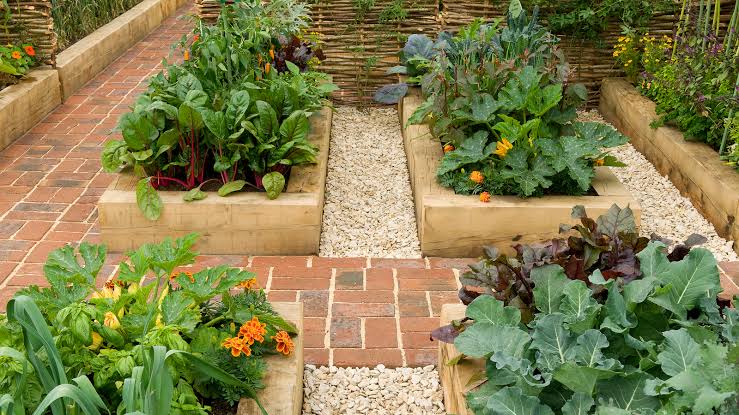
Similarly, outdoor furniture and planters benefit from materials that resist rot in wet soil. Frames made from composites, plastic, or treated metal maintain their appearance and strength even through seasonal changes.
Balancing Aesthetics and Longevity
Durability does not have to come at the expense of visual appeal. Many modern materials mimic the texture and tone of natural wood while offering superior resistance to decay. Homeowners can enjoy the look of timber without the maintenance demands that accompany it.
By combining practical design with resilient frame materials, outdoor structures remain safe and attractive year after year. Resources like Backyard Canada highlight how thoughtful material choices can enhance both function and style in moisture-prone environments.