Items That Should Not Go Into Standard Moving Boxes
Understanding what not to pack when moving helps prevent leaks, fire hazards, spoiled food, damaged belongings, and the loss of important personal items. Some possessions are restricted by moving companies, while others require specialized protection or should remain accessible throughout the relocation. Because policies vary, confirm the mover’s prohibited-item rules before packing begins.
Items that generally require separate handling include:
- Flammable liquids, fuels, paint thinner, fireworks, and similar hazardous products
- Propane tanks, pressurized containers, and certain aerosols
- Household chemicals that may leak or react
- Perishable, frozen, opened, or refrigerated food
- Plants affected by transportation conditions or regulations
- Prescription medication and essential medical supplies
- Passports, identification, contracts, keys, and moving documents
- Cash, jewelry, and irreplaceable personal items
- Electronics containing files that have not been backed up
- Wet fabrics, damp cleaning supplies, or moisture-damaged belongings
- Loose knives, blades, and sharp workshop tools
- Artwork, mirrors, antiques, and collectibles without proper protection
Hazardous and combustible products may be refused because they create fire, leakage, and transportation risks. Do not hide these products inside ordinary boxes. Dispose of, donate, use, or transport eligible materials according to local requirements.
Sealed dry food may be suitable for a short move, but opened containers, frozen products, oils, sauces, and glass bottles can spoil or leak. Damp belongings should also dry completely before packing because trapped moisture may cause odors, stains, mold, and damage to paper, textiles, wood, or electronics.
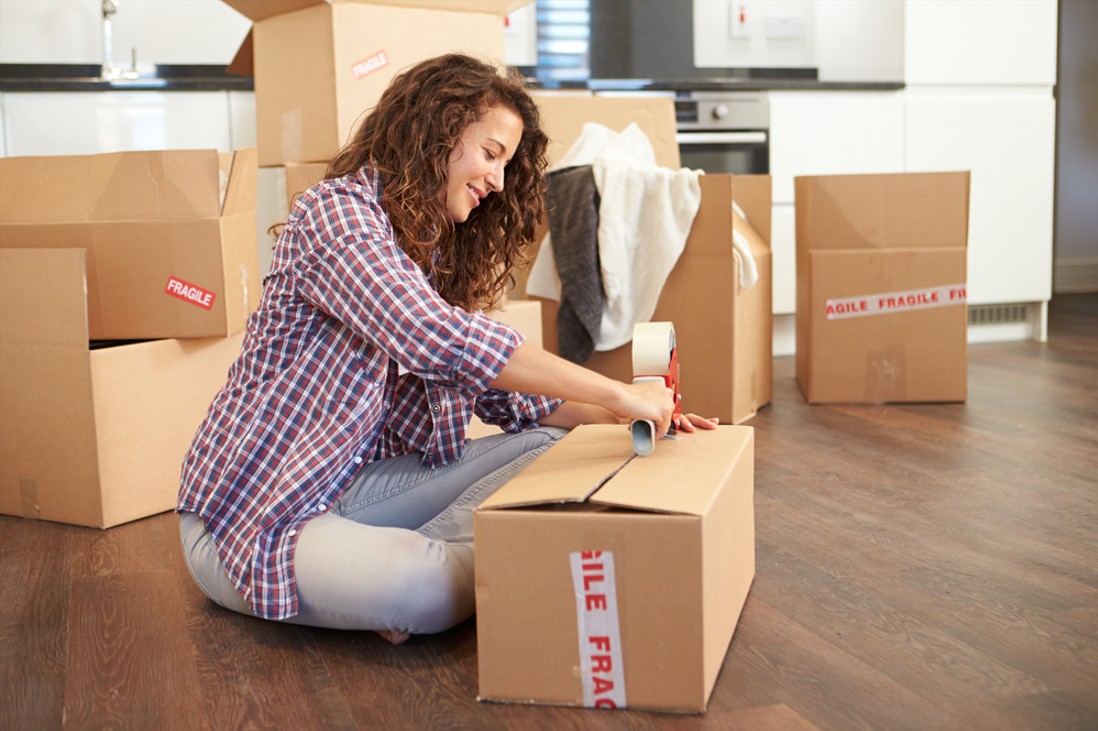
Fragile belongings are not always prohibited, but they should not be placed in a standard box without appropriate wrapping, internal support, and handling labels.
What You Should Keep With You on Moving Day
Medication, identification, valuables, chargers, keys, and other necessities may be safe to transport, but they should not be loaded into the moving truck. Losing access to these belongings can create serious problems during the journey or immediately after arrival.
Keep the following items in a personal bag, vehicle, or clearly marked essentials container:
- Identification, passports, leases, contracts, and property documents
- Medication and necessary medical equipment
- Wallets, cash, jewelry, and small valuables
- Phones, laptops, chargers, and backup drives
- Keys for the old and new properties
- Clothing, toiletries, and towels
- Snacks, water, and simple food
- Children’s necessities and comfort items
- Pet food, carriers, leashes, and medication
- Basic tools and cleaning products
- Contact details, reservations, and moving records
Do not leave the essentials bag beside ordinary boxes, where it could be loaded accidentally. Store it in a separate room, use a distinctive container, or mark it clearly. For a long-distance relocation, prepare enough necessities for several days rather than one night.
Common Packing Decisions That Cause Problems
Liquids are frequently packed without checking caps, seals, or container condition. Permitted toiletries, sauces, and cleaning products should be sealed, placed upright, and isolated from items that moisture could damage.
Heavy and fragile objects should not share a box. Books, tools, dishes, and decorative items may shift during transportation, allowing dense contents to crush lighter pieces. Large boxes should also be reserved for lightweight belongings. Filling them with books or equipment can make them unsafe to lift and may cause the bottom to split.
Poor labeling creates problems during loading and unpacking. Boxes containing glass, electronics, fragile décor, or objects that must remain upright should include clear handling instructions. Hardware, cables, brackets, and remote controls should be stored in labeled bags rather than scattered across larger containers.
Avoid using trash bags for clothing, linens, or household items. They may tear, trap moisture, or be mistaken for waste. Do not seal every box too early either; belongings that may still be needed should remain accessible until the final packing stage.
Items That Need More Than Basic Packing
Dishes and glassware require individual wrapping, internal dividers where appropriate, and enough cushioning to prevent movement. Heavier pieces belong at the bottom, while delicate items should not support additional weight.
Electronics should be backed up and disconnected carefully. Protect screens, label cables, fill empty box space, and use original packaging when it remains structurally sound.
Artwork and mirrors may need corner guards, surface protection, flat specialty boxes, and upright transportation. Antiques and collectibles should be assessed individually because old joints, delicate finishes, glass components, and previous repairs may make standard packing unsuitable.
Furniture such as wardrobes, cabinets, desks, and beds may contain loose shelves, drawers, glass panels, or hardware. Remove or secure these components before transportation. When the correct packing method is unclear, do not force the item into an available box. Obtain suitable materials or experienced assistance first.
When Professional Packing Help Makes Sense
Professional packing services may be useful when a property contains artwork, electronics, antiques, large collections, or numerous fragile belongings. Assistance can also help when the moving date is close, several rooms remain unfinished, or the customer is unsure which items movers will not move.
Full-service packing can cover most eligible household or office belongings. Partial packing services may focus on a kitchen, home office, garage, storage area, fragile décor, or last-minute boxes.
Comfy Moving offers full and partial packing services for homes and offices. Customers can request assistance with selected rooms, fragile-item packing, suitable materials, box labeling, inventory organization, and unpacking.
Professional packers can also help separate belongings into items suitable for the moving truck, possessions that should stay with the customer, restricted products, and objects requiring specialized protection. Before booking, confirm which materials are included, what the company will not pack or transport, and whether unpacking services are available.
Final Review Before Sealing the Boxes
Review every room, cabinet, closet, garage shelf, and storage area before moving day. Confirm that restricted products have been removed, medication and documents are separate, liquids are sealed, sharp objects are covered, fragile boxes are padded, and no damp items have been enclosed.
Check the mover’s prohibited-item policy before the truck arrives. Early review provides time to use, donate, dispose of, or transport affected products appropriately. Careful packing is not only about fitting belongings into boxes; it requires deciding what belongs in the shipment, what needs additional protection, and what must remain with the customer.