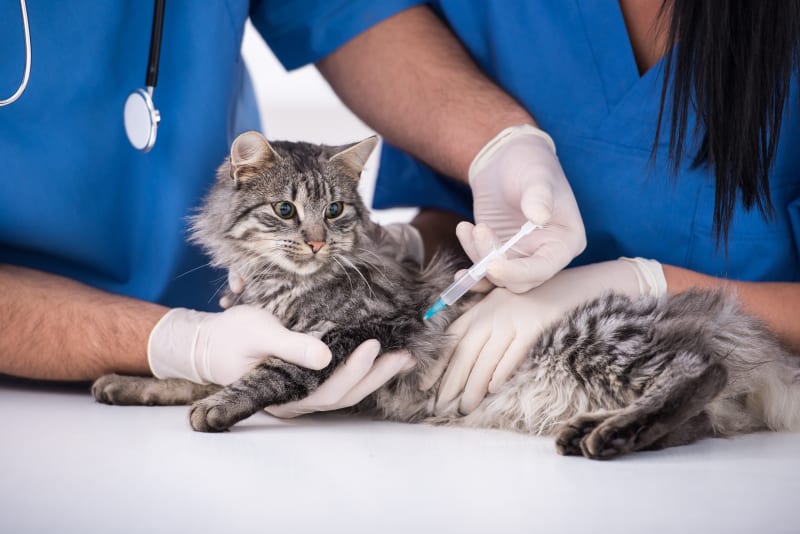
When you bring a kitten home or schedule your cat’s annual wellness visit, one of the first conversations with your veterinarian will likely center around vaccination. Among the most critical recommendations you’ll hear about is the FVRCP vaccine. This isn’t just another shot—it’s a cornerstone of feline preventative medicine that protects against three distinct viral infections simultaneously.
The term “FVRCP vaccine” refers to a combination immunization, often called a “three-in-one” shot. This single injection delivers protection against three separate viruses that pose serious, sometimes fatal, threats to cats. Veterinarians across the globe classify this vaccine as absolutely essential for every cat, regardless of whether your feline companion lives exclusively indoors or has outdoor access. The clinical protection rates associated with this vaccine are impressive, ranging from 85% to 99% depending on which specific virus we’re discussing and individual factors like the cat’s age and overall health status.
The “Three-in-One” Defense: Breaking Down the Viruses
Understanding what the FVRCP vaccine actually protects against helps pet owners appreciate why their veterinarian emphasizes this recommendation so strongly.
Feline Viral Rhinotracheitis (FVR/FHV-1)
The first component addresses Feline Viral Rhinotracheitis, commonly abbreviated as FVR or FHV-1. Cats infected with this virus typically experience sneezing, nasal discharge, and eye discharge so profuse it sometimes causes temporary blindness. Fever is another hallmark symptom. While some cats recover within a couple of weeks, the real danger lies in secondary bacterial infections that can develop when the respiratory system is already compromised. Long-term respiratory issues, including chronic sinusitis, can plague affected cats for the remainder of their lives.
Feline Calicivirus (FCV)
The second protective element targets Feline Calicivirus, a pathogen that primarily affects the mouth and respiratory tract. Infected cats develop painful oral ulcers and mouth infections that make eating and drinking difficult. Some strains of FCV even trigger joint pain and limping, a condition sometimes called “limping kitten syndrome.” What makes this virus particularly troublesome is its extraordinary contagiousness and remarkable ability to survive on environmental surfaces for extended periods—sometimes weeks.
Feline Panleukopenia (FPV)
Perhaps the most serious of the three, Feline Panleukopenia, known colloquially as “feline distemper,” directly attacks bone marrow and white blood cells. Symptoms are severe: bloody diarrhea, persistent vomiting, and extreme dehydration that can develop rapidly. The mortality rate is devastating, particularly in young kittens, where infection proves fatal in over 90% of cases. For older cats, while survival rates improve, the disease still claims many lives and causes tremendous suffering.
The Necessity: Why Indoor Cats Are Not Immune
Many cat owners believe that keeping their pets exclusively indoors eliminates the need for vaccination. This assumption is dangerously incorrect.
These three viruses demonstrate remarkable environmental resilience. They can survive on surfaces—doorknobs, floors, clothing, shoes, and pet carriers—for extended periods. Humans unknowingly serve as vectors, bringing these pathogens home on their footwear, clothing, and hands after contact with infected cats or contaminated environments. You might visit a friend’s house where an infected cat lives, walk through a shelter, or simply step in an area where outdoor cats have left traces of disease.
The pathogens responsible for conditions prevented by the FVRCP vaccine are considered ubiquitous in the environment. They’re essentially everywhere, making exposure not a matter of “if” but “when.” This reality makes vaccination a necessity rather than an option for responsible cat ownership.
Recommended Vaccination Schedule
The science behind vaccination schedules reveals why veterinarians recommend specific timing rather than simply giving one shot and calling it done.
Newborn kittens receive passive immunity through colostrum—the nutrient-rich first milk from their mother. This maternal protection is temporary but important. However, it also interferes with vaccine effectiveness in very young kittens. As maternal antibodies wane, the kitten becomes vulnerable, and vaccination becomes effective.
The Kitten Series:
- Initial FVRCP vaccine shot at 6–8 weeks of age
- Booster vaccinations every 3–4 weeks until the kitten reaches 16–20 weeks
Adult Maintenance:
- A booster one year after completing the initial kitten series
- Subsequent boosters every one to three years, adjusted based on individual risk assessment and your veterinarian’s professional recommendation
This schedule ensures continuous protection during the vulnerable growth period while establishing long-term immunity in adult cats.
Safety, Effectiveness, and Side Effects
Like all medical interventions, the FVRCP vaccine comes with considerations regarding side effects, though serious reactions remain rare.
Most cats experience nothing more than temporary mild reactions: slight lethargy, a minor fever for a day or two, or mild swelling at the injection site. These reactions resolve without intervention and indicate the immune system is responding to the vaccine.
Owners should watch for emergency warning signs requiring immediate veterinary attention: difficulty breathing, facial swelling, persistent vomiting, or signs of allergic reaction. These symptoms, while uncommon, demand prompt professional care.
A question that occasionally arises concerns injection-site sarcomas—tumors that can develop where injections are given. While this is a legitimate medical concern, the actual risk is extraordinarily low. When you weigh this rare possibility against the high probability of disease exposure without vaccination protection, the mathematics of prevention become clear: vaccination protection dramatically outweighs minimal risks.
The Economics of Prevention: Cost vs. Value
The financial argument for vaccination is compelling when viewed through a prevention lens.
A single FVRCP vaccine typically costs between $20–$60 at private veterinary clinics, with low-cost wellness clinics often offering the shot for $10–$25. This minimal investment becomes trivial when compared against the treatment costs for unvaccinated cats who develop these diseases.
Treatment for Feline Panleukopenia, for instance, often requires hospitalization with intravenous fluids, medications, and intensive supportive care—costs that easily reach $1,000 to $5,000 or more. Many cats don’t survive despite aggressive treatment. The economics overwhelmingly favor prevention.
Additionally, pet insurance plans increasingly cover preventative care including vaccinations, making this protection even more accessible. Some policies offer wellness packages that specifically include routine immunizations.
Conclusion
The FVRCP vaccine represents one of modern veterinary medicine’s greatest achievements in feline health protection. The protection against three life-threatening viruses dramatically outweighs any minimal risks associated with vaccination. These diseases remain common, serious, and often fatal, particularly in young or immunocompromised cats.
Your next step is straightforward: schedule a consultation with your veterinarian to discuss your individual cat’s vaccination needs. Every cat has a unique health profile, lifestyle, and risk factors that your veterinarian can assess to create a personalized vaccination strategy. This professional guidance ensures your beloved companion receives the protection necessary to thrive throughout their life, free from the threat of these preventable diseases.
FAQ
What does FVRCP stand for?
FVRCP stands for Feline Viral Rhinotracheitis, Calicivirus, and Panleukopenia. These are serious viral diseases that can affect cats. The vaccine protects against all three.
Is the FVRCP vaccine necessary for indoor cats?
How often does my cat need the FVRCP vaccine?
What are the potential side effects of the FVRCP vaccine?
How much does the FVRCP vaccine cost?
Can the FVRCP vaccine completely prevent these diseases?
The vaccine is very effective but doesn’t guarantee complete prevention. Vaccinated cats might still get a milder form of the disease. But, the vaccine greatly reduces the risk and severity of Feline Viral Rhinotracheitis, Calicivirus, and Panleukopenia.
Are there any cats that shouldn’t receive the FVRCP vaccine?
Most cats can get the vaccine safely. But, cats with weak immune systems, those who are sick, or very young kittens might need special care. Always talk to your vet to find out the best vaccination plan for your cat.
How quickly does the FVRCP vaccine become effective?
Immunity builds up over time after vaccination. Kittens get full protection after their initial series of shots. Adult cats get immunity in a few weeks after the vaccine. Your vet can tell you more about when your cat is fully protected.