When people talk about the growth of hybrid mobility, they often focus on consumer adoption, fuel savings, or environmental goals. But for distributors, workshops, fleet operators, and auto parts traders, the bigger story is often about supply pressure. As more Toyota hybrids stay on the road longer, demand for dependable replacement battery inventory continues to rise. That is one of the main reasons popular Toyota models still have such a strong influence on the global hybrid parts market.
For commercial buyers, this is not just a trend to watch. It directly affects stocking strategy, procurement timing, service capacity, and customer retention. Understanding why Toyota remains central to battery demand can help businesses plan smarter and source more confidently.
Why Toyota Dominates Hybrid Battery Demand
Toyota has spent decades building one of the world’s most recognizable hybrid vehicle lineups. Models such as the Prius, Aqua/Yaris, Camry Hybrid, and Lexus RX Hybrid became common in private ownership, taxi fleets, ride-hailing use, and commercial transport markets across many regions. That scale matters.
When a vehicle brand achieves high market penetration, its replacement parts naturally become a major category of demand. In the case of Toyota hybrids, the battery sits at the center of that demand cycle. As these vehicles age, workshops and resellers need a steady supply of tested units that match real-world service needs.
This is why the hybrid car battery market continues to be shaped by Toyota more than almost any other brand. The installed base is simply too large to ignore, and many businesses depend on reliable access to stock for these specific models.
The Models That Matter Most
Not every hybrid model drives the same level of battery demand. A handful of Toyota vehicles have become especially important because they were sold in high volume and are widely used in cost-sensitive markets.
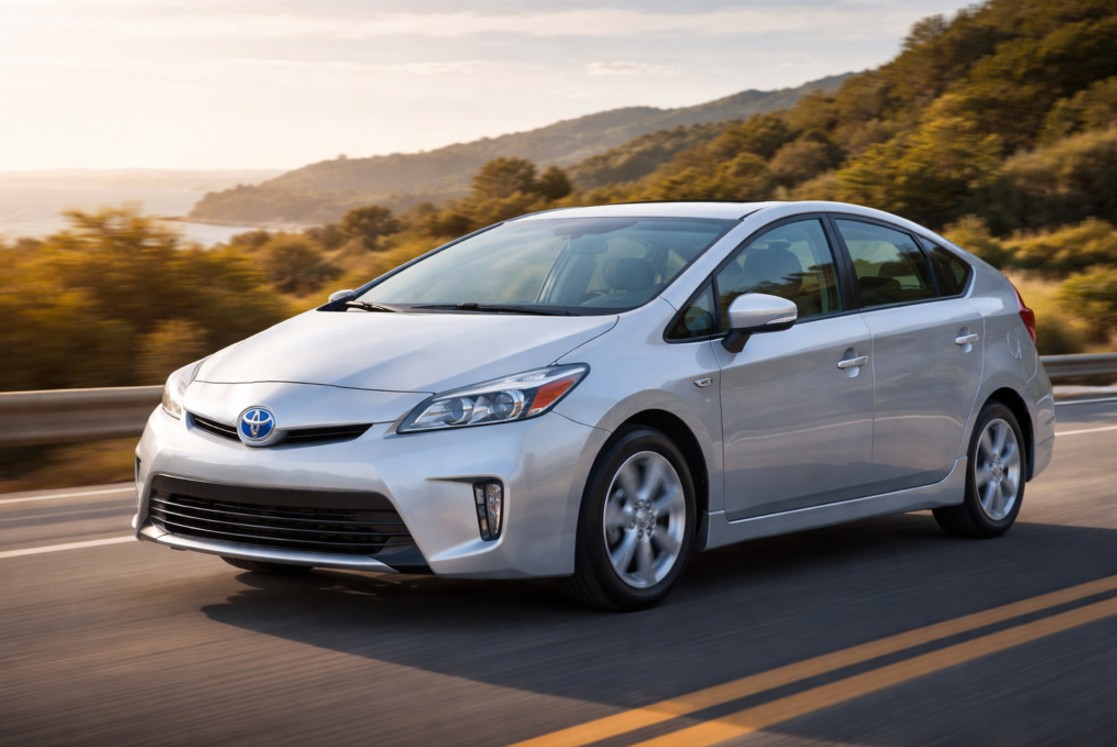
Toyota Prius
The Prius remains the benchmark hybrid in many countries. Its long production run and strong resale presence mean a large population of older vehicles now requires battery replacement or service support. For workshops, this makes Prius battery inventory one of the most practical categories to maintain.
Toyota Aqua / Yaris Hybrid
The Aqua, also known in some markets alongside the Yaris hybrid family, is another major driver of demand. These vehicles are popular because they are compact, efficient, and widely imported. That combination creates consistent aftermarket needs, especially for businesses serving urban drivers, small fleets, and budget-conscious owners.
Toyota Camry Hybrid
The Camry Hybrid adds a different layer of demand. It is common among private owners and fleet applications that prioritize comfort and fuel economy. Because the Camry often serves business and executive transport roles, downtime can be costly, which increases the need for fast battery replacement options.
Lexus RX Hybrid
The Lexus RX Hybrid brings premium-segment demand into the picture. While volumes may be lower than Prius or Aqua, the need for suitable, tested replacement batteries remains strong. Distributors and specialist workshops that can support this segment often gain a competitive advantage.
Why Demand Stays Strong Even as Vehicle Sales Shift
Some buyers assume that battery demand depends only on new hybrid sales. In reality, the aftermarket often tells a different story. Demand is strongly influenced by vehicles already on the road, especially those reaching the age where battery replacement becomes a practical maintenance decision.
Toyota hybrids are known for longevity, which means many owners prefer replacing the battery instead of replacing the vehicle. For workshops and fleet managers, this can be an efficient and cost-conscious option. As a result, demand does not disappear when a model ages. In many cases, it becomes more concentrated.
This is also why businesses should look beyond short-term trends and focus on vehicle population data, service frequency, and regional import patterns. In markets where used Japanese hybrid vehicles remain popular, Toyota battery demand often stays active for years.
What Commercial Buyers Should Look for in Supply
Rising demand is one thing. Managing it profitably is another. For distributors, importers, and workshops, the key challenge is not just finding stock, but finding the right stock from a dependable source.
When sourcing hybrid batteries for Toyota models, commercial buyers should pay close attention to:
- Model compatibility: High-demand Toyota hybrids may have multiple generations, so matching the right battery type is essential.
- Testing standards: Voltage checks and condition assessment help reduce avoidable returns and service issues.
- Inventory depth: A supplier should be able to support repeat orders, not just occasional one-off deals.
- Sourcing transparency: Buyers benefit from understanding where inventory comes from and how it is handled before sale.
- Logistics readiness: Fast warehouse collection or export preparation can make a major difference in business continuity.
These factors become especially important when demand is concentrated around a few Toyota models. If your customers regularly ask for Prius, Aqua, Camry, or Lexus RX hybrid batteries, stock inconsistency can quickly affect revenue.
Why Battery Pricing Is Closely Tied to Toyota Demand
Another reason Toyota shapes the market is simple economics. High-demand models influence procurement activity, and procurement activity influences pricing. When certain Toyota batteries are consistently in demand, the hybrid battery price becomes a key planning factor for workshops, resellers, and fleet maintenance teams.
Price is not only about the battery itself. It reflects availability, model demand, sourcing route, testing practices, and order volume. Businesses that buy in bulk or purchase repeatedly usually need predictable quotations and clear communication more than they need bargain-basement pricing. In a commercial setting, consistency often matters more than chasing the lowest possible number.
That is one reason experienced buyers prefer suppliers that can confirm stock quickly, explain condition clearly, and provide practical alternatives when a specific unit is limited. Better procurement decisions usually come from better supply visibility.
The Growing Role of UAE-Based Wholesale Supply
For many commercial buyers, regional access matters just as much as product access. A UAE-based supply hub can help workshops, distributors, and exporters reduce delays and secure inventory for high-demand Toyota hybrid models more efficiently.
Sharjah-based supplier Hybrid Hive is a good example of how this model works in practice. The company focuses on B2B supply rather than casual retail transactions, supporting distributors, workshops, importers, resellers, and fleet maintenance teams that need ready access to used hybrid batteries and related spare parts. Its inventory strategy centers on the models that commercial buyers ask for most, including Toyota Prius, Toyota Aqua/Yaris, Toyota Camry, and Lexus RX Hybrid.
What makes that especially relevant in today’s market is process reliability. Hybrid Hive sources through trusted partners in Japan, checks battery condition through dual inspection and voltage testing, maintains warehouse-ready inventory in the UAE, and supports both collection and shipment. For businesses managing repeat demand, that kind of structure can be more valuable than simply finding a seller with occasional stock.
The company also brings scale to the conversation, with more than 140,000 batteries supplied or processed and more than 300 bulk orders supported. Those numbers matter because they signal operational experience in a market where consistency is essential.
How Workshops and Distributors Can Stay Ahead
If your business serves hybrid vehicle owners, waiting for battery demand to become urgent is risky. A better approach is to align inventory planning with the models most likely to generate repeat service needs. In many markets, that still means Toyota first.
To stay ahead, commercial buyers should:
- Track which Toyota hybrid models appear most often in local service demand
- Build relationships with suppliers that understand bulk and repeat ordering
- Prioritize tested stock over uncertain low-cost alternatives
- Plan around lead times, especially for fleet or trade customers
- Keep an eye on pricing trends for the highest-turnover battery categories
These steps can improve margins, reduce downtime, and strengthen customer trust. They also help businesses respond faster when market demand spikes.
Toyota’s Influence Is Far From Over
Popular Toyota models continue to shape hybrid battery demand because they combine scale, longevity, and real-world service relevance. For the aftermarket, that means the need for tested, commercially ready battery inventory is not slowing down. In fact, as more of these vehicles move deeper into their service life, the need for dependable supply partners becomes even more important.
For businesses looking to source battery inventory with more confidence, it makes sense to work with a specialist that understands the realities of wholesale procurement, model compatibility, testing, and repeat availability. If you are planning your next order cycle or reviewing supply options for Toyota hybrid models, Hybrid Hive is a useful resource to explore for business-ready stock and practical support.