Enhancing the exterior of a home often begins with small details that make a big visual impact. Among these, well-chosen shutters and thoughtfully designed outdoor spaces can transform the entire look and feel of a property. The right combination adds charm, balance, and a sense of completion to any façade.
Choosing the Right Shutter Material
Shutter material plays a key role in both appearance and durability. Wood remains a classic option thanks to its natural texture and timeless appeal. In particular, cedar shutters are prized for their resistance to decay and their ability to hold finishes beautifully. They can be stained or painted to coordinate with existing trim or siding.
For those looking for alternatives, composite and vinyl materials offer low maintenance and consistent performance in various climates. Each material has its own aesthetic and functional advantages, so it is worth comparing them before making a decision.
Designing with Proportion and Style
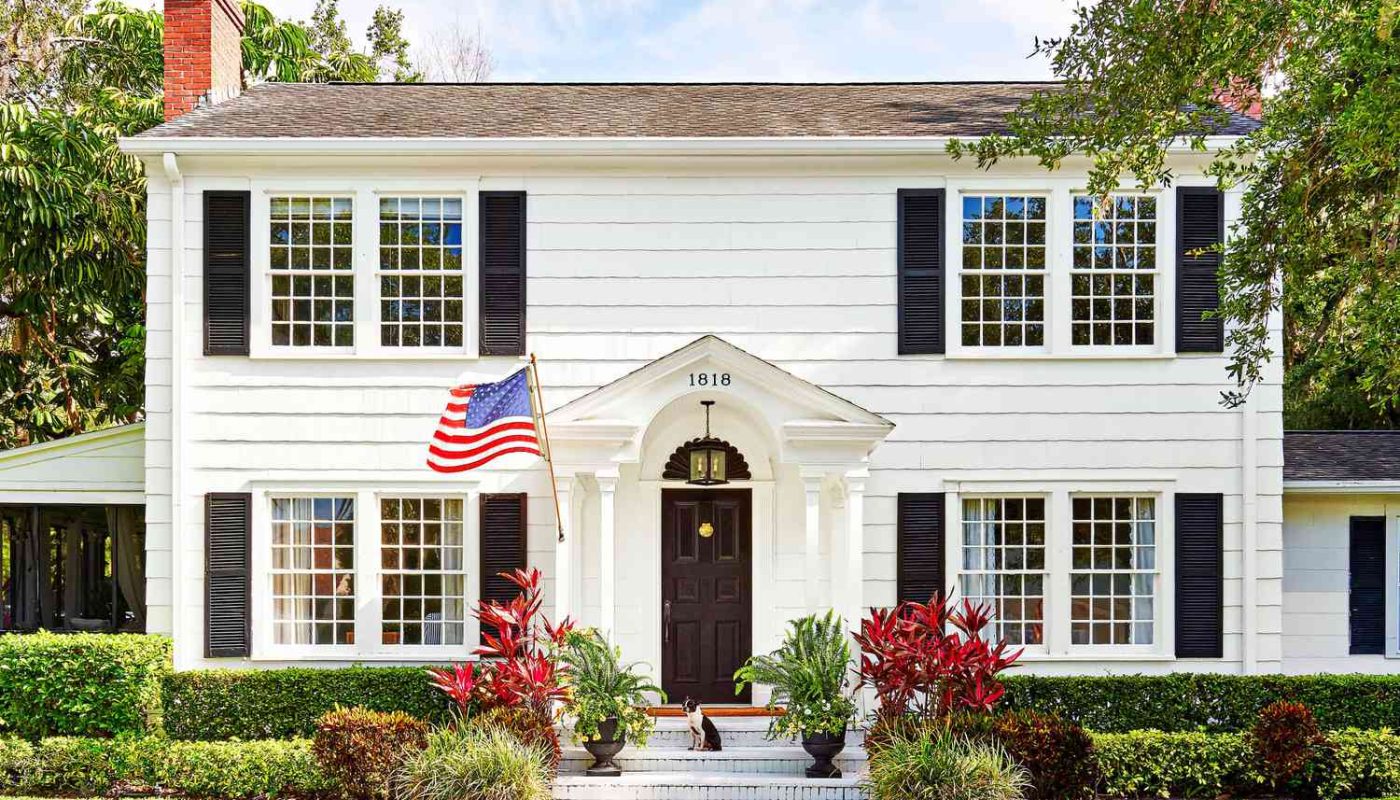
Proper proportion ensures shutters complement rather than compete with windows. Ideally, the height should match the window opening, while the width should appear balanced without overwhelming the trim. Louvered, raised-panel, and board-and-batten styles each create distinct visual effects suited to different architectural types.
- Louvered shutters lend a traditional, coastal look.
- Raised-panel designs suit more formal or classic homes.
- Board-and-batten shutters enhance rustic or farmhouse styles.
Integrating Shutters into Outdoor Living Spaces
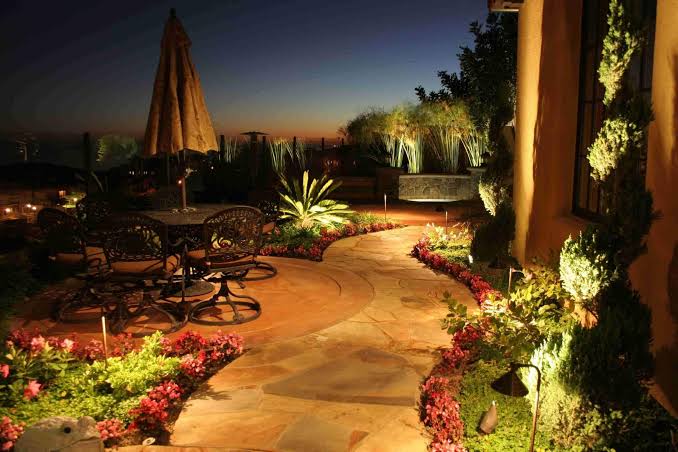
Shutters can visually connect the home’s façade with surrounding outdoor areas. Coordinating their color with deck railings, pergolas, or garden furniture creates a cohesive theme. When combined with planters or trellises, shutters help frame outdoor seating areas, making them feel like natural extensions of the home.
Lighting also plays a role. Soft accent lighting near windows and shutters highlights textures and adds warmth during evening hours. This subtle detail contributes significantly to curb appeal after sunset.
Personalizing the Look with Custom Options
Every home has unique architectural features, so flexibility in design is beneficial. Using custom shutters allows homeowners to specify exact sizes, finishes, and hardware. This approach ensures a perfect fit and a result that reflects the building’s character while meeting practical needs such as ventilation or privacy.
Personalized details like decorative hinges or cutouts can further enhance visual interest. These small touches make shutters feel integrated rather than merely decorative additions.
Complementing Shutters with Landscaping
Landscaping ties the entire exterior together. Aligning shrub heights with window sills draws attention toward the shutters and windows, while flowering plants echo their colors for harmony. Pathways, lighting, and fencing can continue the design language established by the shutters, creating a unified outdoor environment.
When all exterior elements work in harmony, the result is a welcoming, attractive home that stands out for its cohesive design and thoughtful attention to detail.