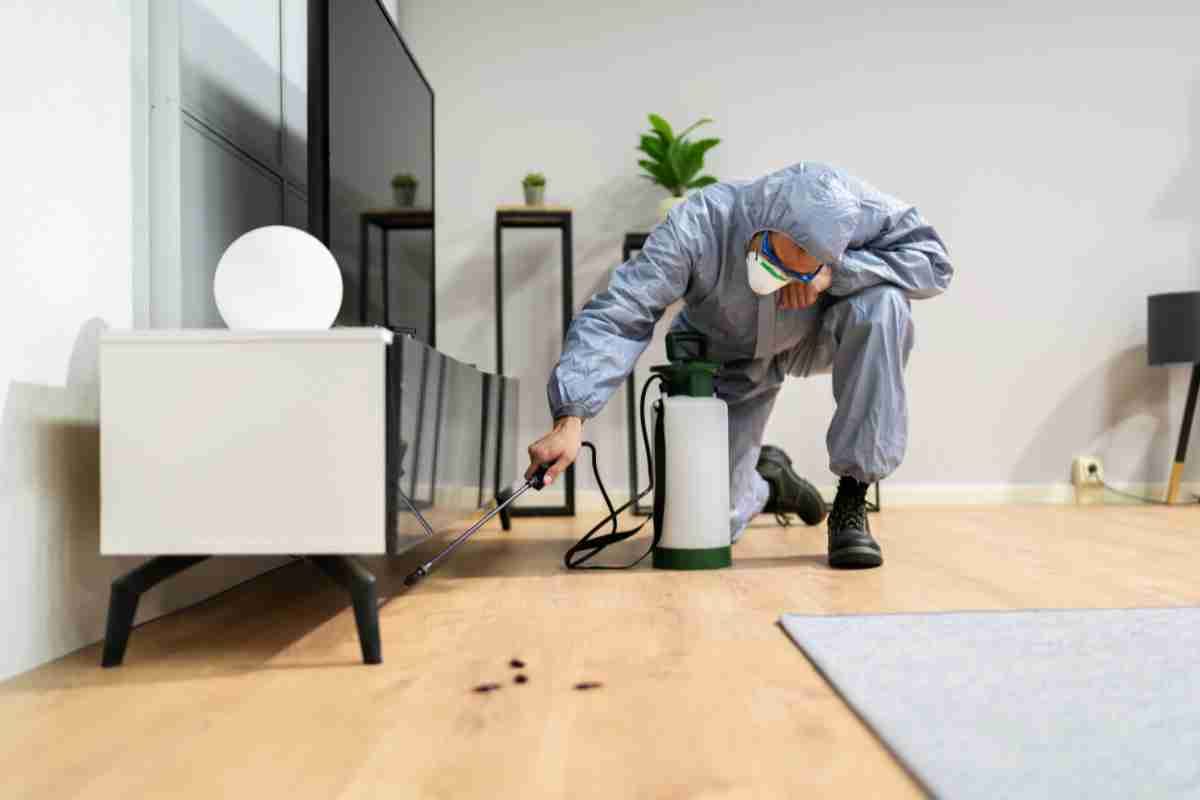
Booking a pest control treatment is often the point where most of the worry disappears, but a little preparation beforehand can make the visit quicker, safer and more effective. Whether you are dealing with rodents, insects or a more unusual pest problem, knowing what to expect helps everything run smoothly on the day.
For households across Essex, from Loughton and Chelmsford to Southend-on-Sea, a technician carrying out pest control Essex families rely on will usually give clear instructions before the visit, but it helps to understand why each step matters.
Clear Access to the Problem Area
One of the simplest but most important things you can do is make sure the technician can actually reach the area that needs treating. This might mean moving furniture away from skirting boards, clearing items stored under sinks or in cupboards, or making sure a loft hatch is easy to access. If a rodent problem is suspected in the loft, for example, clearing a path to the hatch beforehand saves time and allows a more thorough inspection.
For garden or exterior treatments, such as those dealing with wasp nests, it helps to make sure fences, sheds and any relevant access points are not blocked by garden furniture, bikes or storage boxes.
Food, Dishes and Kitchen Surfaces
If the treatment involves the kitchen, such as for ants or cockroaches, it is worth clearing worktops of food, covering or storing dishes, and wiping down surfaces beforehand. This is not just about tidiness, it also helps the technician see any signs of activity clearly and apply treatment exactly where it is needed, without food or crockery getting in the way.
Pets and Children
Pets and children should always be kept away from the area being treated, both during the visit and for a period afterwards, as instructed by the technician. This is especially important for treatments involving insect heat treatment or chemical applications, where rooms may need to be sealed off or ventilated for a set amount of time. Fish tanks should be covered, and any small pets such as hamsters or rabbits kept in a separate room during treatment.
It is always worth telling the technician about every pet in the household beforehand, even smaller or less obvious ones, so the right precautions can be put in place.
Rodent Treatments and Bait Stations
If the treatment involves rats and mice, you may be asked to clear items away from walls and skirting boards so that bait stations or traps can be positioned correctly. It also helps to point out any areas where you have noticed droppings, gnaw marks or scratching noises, since this gives the technician useful clues about where activity is highest.
Do not attempt to move or interfere with bait stations once they have been placed, even if you cannot immediately see any signs that they are working. Rodent treatments often take a little time, and disturbing equipment can affect how well it works.
Structural and Timber Treatments
Treatments such as woodworm treatment usually involve inspecting and treating timber in lofts, floors or roof spaces. Clearing stored items away from beams and joists, and making sure access to these areas is not blocked, allows a much more thorough inspection and treatment.
Ventilation and Aftercare
Many treatments require a room or area to be left undisturbed for a period of time afterwards, whether that means keeping windows closed while a treatment settles or opening them to ventilate a room once it is complete. Your technician will explain exactly what is needed for your specific treatment, and it is worth following this advice closely rather than assuming all treatments work the same way.
The government’s guidance on pest control on private property also covers some useful points on using traps and treatments safely around other wildlife, which is worth a read if you want to understand more about the wider rules involved.
Communicating with Your Technician
It is always worth being as open as possible with your technician about what you have noticed, even small details that seem unimportant. Mentioning when you first spotted a problem, whether it seems to be getting worse, and any areas of the home you have not been able to check yourself all help build a clearer picture. Technicians deal with these situations every day, so there is no need to feel embarrassed about any pest problem, however it started.
If you have any questions about the products being used, how long a treatment should take to work, or whether it is safe for a family member with a health condition to be in the house, ask before the visit rather than after. A good technician will always take the time to explain what to expect.
A Small Amount of Preparation Goes a Long Way
None of this preparation needs to be complicated, but it does make a genuine difference to how smoothly a treatment goes. Clear access, a tidy kitchen, and pets kept safely out of the way are usually all that is needed for most visits.
With over 30 years of experience treating homes across Essex, technicians trained to RSPH Level 2 standard, and membership of the National Pest Technicians Association, every visit is planned around getting the job done properly the first time, with as little disruption to your household as possible.