Thoughtful lighting can turn an ordinary yard into a welcoming and functional outdoor space after dark. The right setup highlights key features, improves safety, and extends the hours you can enjoy your garden or patio. With careful planning, even simple fixtures can make a dramatic difference.
Understanding the Purpose of Outdoor Lighting
Before selecting fixtures, it helps to identify what you want the lighting to achieve. Some home owners focus on safety, while others emphasize aesthetics or energy efficiency. Clarifying these goals ensures that your design remains consistent and purposeful.
Safety and Navigation
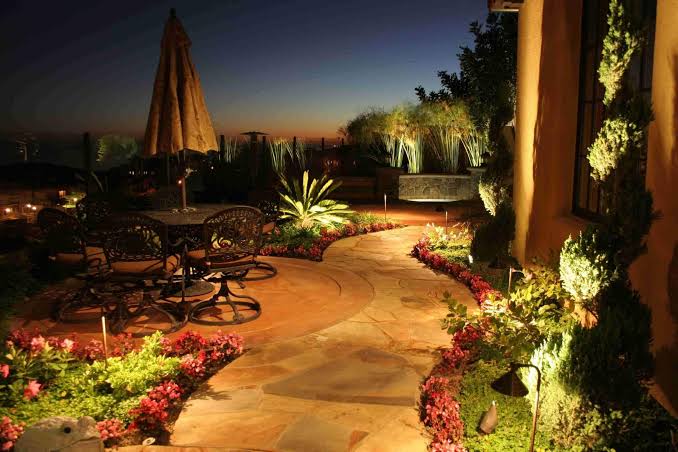
Path lights, step lights, and low-level fixtures prevent trips and falls by illuminating walkways and stairs. Soft, evenly spaced lights provide guidance without overwhelming brightness. Motion sensors can also enhance security by activating lights only when movement is detected.
Highlighting Landscape Features
Accent lighting draws attention to trees, water features, or architectural details. Up-lighting from ground level can emphasize textures, while down-lighting from a tree or structure creates natural-looking shadows. Combining these techniques adds depth and dimension to the space.
Types of Fixtures to Consider
Choosing the right fixture type depends on the intended function and style of your yard. Each serves a specific purpose and contributes to the overall ambiance.
- Path lights: Used along garden borders or walkways to guide movement.
- Spotlights: Focused beams for highlighting sculptures or trees.
- Floodlights: Broader illumination for driveways or patios.
- String lights: Decorative and ideal for social areas or pergolas.
- Underwater lights: Perfect for ponds or fountains to create a shimmering effect.
Design Principles for Balanced Lighting
Effective outdoor lighting balances brightness, color, and placement. Overly intense lighting can create glare, while too little may leave areas unsafe or uninviting. Layering different intensities helps achieve a natural look.
Layering and Contrast
Combine ambient, task, and accent lighting to build a layered effect. Ambient lights provide general visibility, task lights support specific functions, and accent lights emphasize focal points. The contrast between light and shadow gives your yard texture and visual interest.
Color Temperature and Atmosphere
Warm white light creates a cozy, inviting atmosphere, while cooler tones emphasize modern designs. Matching the color temperature to your landscape materials and planting style ensures a cohesive appearance throughout the space.
Sustainable and Low-Maintenance Options
Advances in lighting technology make it easier to design efficient systems. LED bulbs consume less energy and last longer than traditional options. Solar-powered fixtures offer flexibility and reduce wiring needs, though placement is important to ensure sufficient charging.
Planning with Professional Guidance
While many homeowners enjoy experimenting with designs, working with experienced landscaping companies can help integrate lighting with planting, hardscapes, and irrigation systems. Professionals understand how to balance aesthetics with practical considerations like wiring, drainage, and long-term maintenance.
Inspiration for Your Next Project
Exploring different landscaping ideas can spark creativity and help you refine your vision. Whether you prefer subtle illumination or a dramatic nighttime display, thoughtful design will enhance both the beauty and functionality of your outdoor space.